
The world is changing and along with it AI in SAP S/4 Hana is changing all perspective’s in Manufacturing industry. The global manufacturing industry stands as a cornerstone of economic development, contributing significantly to employment, output, and trade across various sectors. In an era where technological advancements are rapidly reshaping business landscapes, the integration of advanced technologies is becoming increasingly crucial. One of the most transformative technologies emerging within this domain is artificial intelligence (AI). By harnessing AI capabilities, manufacturers can streamline operations, reduce costs, and enhance overall productivity.
Particularly, the integration of AI with SAP systems has proven to be a game changer for many organizations. SAP, known for its robust enterprise resource planning (ERP) systems, offers a comprehensive framework for managing business operations. When combined with AI, these systems provide valuable insights through real-time data analytics, enabling organizations to make informed decisions quickly. This collaboration is not merely beneficial; it is essential for sustaining competitive advantage in a fast-paced market.
AI’s ability to analyze vast amounts of data allows manufacturers to identify patterns and trends that may go unnoticed using traditional methods. This level of data-driven analysis significantly enhances decision-making processes and operational efficiencies. For instance, predictive maintenance powered by machine learning algorithms can minimize downtime and improve equipment lifespan, illustrating how AI effectively minimizes risks associated with manufacturing operations.
Moreover, the shift towards automation facilitated by AI is redefining workflows, thereby allowing human workers to focus on more strategic functions within the organization. As industries embrace AI-driven solutions, the result is a manufacturing environment characterized by increased precision, lower operational costs, and higher throughput. By leveraging AI alongside existing SAP systems, manufacturers can not only optimize their processes but also adapt seamlessly to the ever-changing dynamics of the global market.
Current Challenges in Manufacturing
The manufacturing sector is currently grappling with a multitude of challenges that significantly hinder productivity and profitability. One of the most pressing issues is the variability in production processes. Fluctuations in raw material quality, equipment performance, and workforce efficiency can lead to inconsistent output levels, making it difficult for manufacturers to meet customer demands consistently. This inconsistency not only affects the quality of products but also impacts the overall reliability of the supply chain, contributing to decreased market competitiveness.
Another significant challenge is unexpected downtime, which can stem from equipment failures, maintenance issues, or supply chain disruptions. Such interruptions not only delay production schedules but also increase operational costs due to idle labor and lost output. As manufacturers seek to optimize their SAP-driven processes, reducing unexpected downtime becomes crucial to maintaining operational efficiency and meeting delivery timelines. This necessity underscores the importance of predictive maintenance strategies, which can identify potential issues before they escalate into costly failures.
Additionally, inefficiency in processes remains a critical barrier to productivity. Many manufacturers continue to rely on outdated methods and technologies that consume valuable resources without delivering optimal results. Streamlining these processes is essential for enhancing both speed and quality, thereby maximizing profitability. Coupled with these operational inefficiencies are mounting cost pressures, driven by rising labor costs, fluctuating materials prices, and increasing regulatory compliance costs. These financial constraints compel manufacturers to seek innovative solutions to improve their margins, making the exploration of artificial intelligence and automation technology paramount.
Recognizing and addressing these challenges is essential for manufacturers aiming to thrive in today’s competitive environment. The integration of advanced technologies such as artificial intelligence into SAP-driven processes holds the potential to mitigate these issues and transform manufacturing practices for increased efficiency and resilience.
The Backbone of Global Manufacturing: SAP Systems

SAP S/4HANA, the flagship enterprise resource planning (ERP) solution, serves particularly well to enhance real-time data processing and analytics. Its ability to analyze vast amounts of data in real time allows manufacturers to make informed decisions promptly. As production demands fluctuate, SAP IBP helps organizations with advanced planning capabilities, ensuring they can respond efficiently to changes in market conditions or consumer preferences. Integrated planning not only optimizes inventory levels but also helps mitigate risks associated with supply chain disruptions.
Furthermore, SAP Digital Manufacturing (DM) enables manufacturers to connect their machines and devices, creating a more transparent production environment. This connectivity paves the way for the incorporation of artificial intelligence technologies, providing insights that drive continuous improvement in manufacturing processes. Additionally, SAP EWM streamlines warehouse operations by automating workflows and inventory management, which is critical to maintaining efficiency across the supply chain.
The synergy of these SAP solutions ensures manufacturers are not only equipped to handle present challenges but also prepared to innovate and adapt to future technological advancements. As artificial intelligence continues to influence manufacturing, these SAP-driven platforms prove essential for integrating AI technologies effectively, positioning manufacturers for long-term success in a competitive global market.
The Rising Role of AI and Machine Learning
In recent years, the integration of artificial intelligence (AI) and machine learning into the manufacturing sector has gained remarkable momentum. These advanced technologies are transforming traditional manufacturing processes, enabling greater automation and efficiency. AI algorithms are now capable of analyzing vast amounts of data generated during production, allowing manufacturers to gain invaluable insights into their operations.
One of the primary advantages of incorporating AI and machine learning into manufacturing is the enhancement of strategic decision-making. Manufacturers can utilize predictive analytics to forecast demand patterns, optimize supply chains, and reduce downtime. By leveraging machine learning, systems can learn from historical data and adjust processes in real-time, leading to improved operational efficiency. This adaptive capability empowers manufacturers to respond promptly to market changes, allocate resources more effectively, and minimize waste.
Moreover, AI-driven solutions facilitate greater customization and personalization of products. In an increasingly competitive landscape, manufacturers must be agile and responsive to customer preferences. Machine learning algorithms enable the analysis of consumer behavior and preferences, allowing manufacturers to tailor their offerings accordingly. This level of responsiveness not only enhances customer satisfaction but also fosters brand loyalty.
The role of AI in predictive maintenance is also noteworthy. By continuously monitoring equipment performance, AI systems can predict potential failures before they occur, thereby reducing the risk of costly machine breakdowns. This proactive approach ensures that manufacturing processes remain uninterrupted, ultimately leading to increased productivity and profitability.
As the manufacturing landscape evolves, the rising significance of AI and machine learning cannot be overstated. By harnessing these technologies, manufacturers are not only streamlining operations but also positioning themselves for long-term success in an ever-changing market. The continuous development of these tools will likely define the future trajectory of the manufacturing industry, making adaptability and innovation paramount.
AI in SAP S/4HANA: Transforming Enterprise Resource Planning

The integration of Artificial Intelligence (AI) within the SAP S/4HANA framework is revolutionizing enterprise resource planning (ERP) by enhancing various organizational processes. A key component is the utilization of predictive insights, which are derived from embedded analytics within the system. These insights enable organizations to forecast financial performance, identify trends, and make informed decisions based on historical data and predictive models. By harnessing the power of AI, businesses can significantly improve their operational capabilities and align strategic initiatives more effectively.
One of the most impactful applications of AI is in automated exception handling. Traditionally, companies faced numerous challenges in managing operational disruptions, which often stemmed from manual processes that delayed responses to anomalies. With AI, SAP S/4HANA can automatically detect inconsistencies or potential issues in real-time. This not only streamlines the workflow but also ensures that decision-makers have timely access to critical information, thus facilitating swift remedial actions. The automation of such tasks minimises human error and downtime, significantly enhancing overall productivity.
AI in SAP Digital Manufacturing (DM): Real-Time Insights
The integration of Artificial Intelligence (AI) within SAP Digital Manufacturing (DM) systems is reshaping the landscape of manufacturing. By leveraging AI technologies, organizations can achieve real-time insights that significantly enhance operational efficiency and decision-making processes. The use of AI allows for the analysis of vast amounts of data generated on the shop floor, providing valuable insights that were previously unattainable.
One of the key advantages of incorporating AI into SAP Digital Manufacturing is the ability to implement predictive maintenance solutions. Utilizing the Internet of Things (IoT) and machine learning, organizations can monitor equipment performance in real-time. This enables manufacturers to anticipate potential equipment failures before they occur, thus minimizing downtime and reducing maintenance costs. The predictive maintenance approach not only improves asset reliability but also optimizes overall production throughput, allowing manufacturers to operate more efficiently.
Additionally, AI enhances quality control processes through vision-based inspection systems. These advanced systems utilize machine learning algorithms to analyze images captured during production. By identifying defects and anomalies in real-time, manufacturers can quickly rectify issues, thereby reducing waste and ensuring high-quality outputs. The integration of AI in quality inspection allows for consistent monitoring and assessment of products, ensuring compliance with industry standards and customer expectations.
Moreover, the real-time data processing capabilities afforded by AI provide manufacturers with the agility needed to adapt to changing market demands. By harnessing the power of AI, organizations can make informed decisions swiftly, driving improvements in productivity and operational efficiency. In this increasingly competitive landscape, AI-enabled insights within SAP Digital Manufacturing represent a significant leap forward, positioning manufacturers for success in a dynamic market.
AI-Driven MRP and Capacity Planning
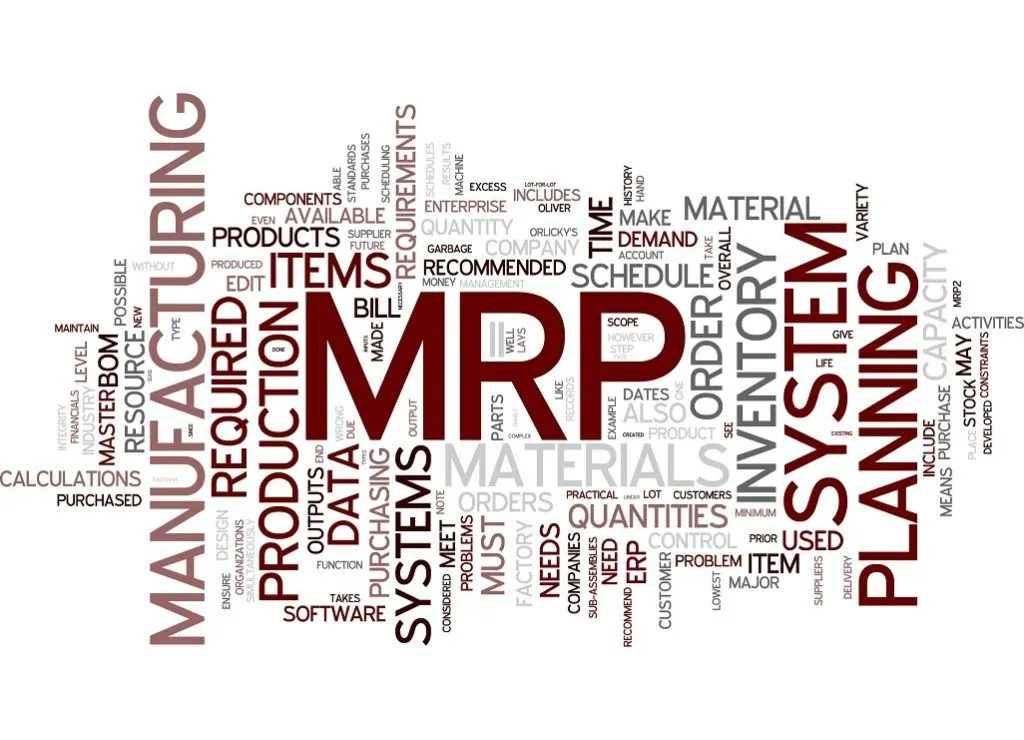
The integration of Artificial Intelligence (AI) into manufacturing significantly transforms Material Requirements Planning (MRP) and capacity planning. AI enhances these processes by introducing predictive capabilities that empower manufacturers to make informed decisions based on real-time data analysis. Through machine learning algorithms, AI analyzes historical data to forecast future material requirements and production capacity, allowing for more accurate planning. This predictive insight enables manufacturers to minimize stockouts or excess inventory, tackling the challenges of inventory management effectively.
Moreover, AI facilitates dynamic adjustments in response to fluctuations in supply chain variables. For instance, when there are unexpected shifts in demand or delays from suppliers, AI systems can swiftly recalibrate MRP parameters, ensuring optimal resource allocation. This agility is crucial in today’s fast-paced manufacturing environment, where the ability to react proactively can determine a company’s competitive edge. Furthermore, AI-driven MRP systems can integrate with other enterprise solutions, such as SAP, for streamlined operations, resulting in a cohesive approach to inventory and capacity management.
Another notable advantage of implementing AI in MRP and capacity planning is the enhancement of collaboration. By providing insights into production schedules, materials availability, and capacity constraints, AI fosters improved communication across departments. This transparency allows teams to coordinate more effectively, ensuring that all stakeholders are aligned with the manufacturing objectives. Consequently, organizations can achieve higher productivity while effectively managing their resources.
Overall, the utilization of AI in MRP and capacity planning revolutionizes the manufacturing landscape. As firms increasingly adopt these advanced technologies, they can enhance their operational efficiency, adapt to market demands, and ultimately drive significant improvements in their supply chain performance. With these advancements, manufacturing is poised to respond more adeptly to the complexities of modern production challenges.
Vision-Based Quality Inspection and Defect Detection
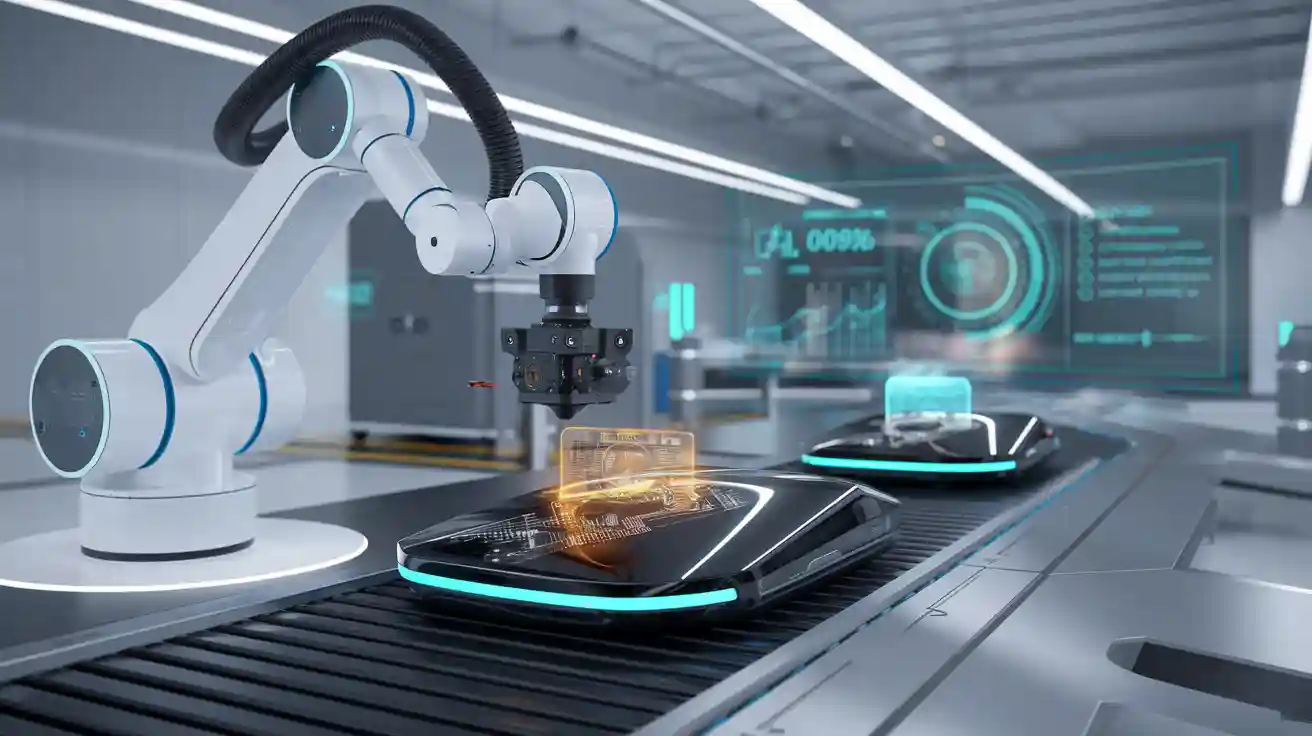
In the evolving landscape of manufacturing, vision-based artificial intelligence (AI) systems have emerged as pivotal tools for quality inspection and defect detection. These technologies utilize advanced computer vision techniques, enabling manufacturers to evaluate the quality of products in real-time with remarkable precision. By leveraging high-resolution cameras and sophisticated image processing algorithms, these systems can identify anomalies and defects that may be overlooked by the human eye, ensuring consistent product quality. This shift towards automated quality inspection represents a significant advancement in the manufacturing process, leading to improved yields and reduced waste.
Integrating these vision-based AI systems with SAP (Systems, Applications, and Products) environments further enhances their capabilities. Through seamless integration, manufacturing organizations can streamline data flow and improve communication between quality control and production teams. AI-driven inspection systems can automatically upload defect reports to the SAP system, allowing for immediate analysis and corrective actions. This integration facilitates a more agile manufacturing environment, where insights gained from quality inspections can inform production decisions, resulting in optimized operational performance.
The benefits of maintaining high quality through AI-assisted monitoring are manifold. First, manufacturers can achieve a significant reduction in inspection times, thereby increasing throughput. Secondly, the precision of vision-based defect detection minimizes the occurrence of false positives, leading to fewer disruptions in the production line. Additionally, continuous monitoring using these AI systems fosters a culture of quality assurance among employees, further driving commitment to exceptional standards. As manufacturers seek to enhance operational efficiency and reduce costs, adopting vision-based quality inspection aligns with broader objectives of digital transformation and Industry 4.0. The impact of these technologies is profound, reshaping how quality is perceived and achieved in the manufacturing sector.
Conclusion: The Future of AI-Driven Manufacturing
As we conclude this exploration of the impact of artificial intelligence (AI) on manufacturing processes powered by SAP systems, it becomes evident that we are only at the beginning of a robust technological revolution. The integration of AI within SAP frameworks is not merely a transient trend; rather, it signifies a fundamental transformation in how manufacturers operate. The future of AI-driven manufacturing will likely be characterized by increased efficiency, improved decision-making, and enhanced innovation across various sectors.
AI technologies enable manufacturers to harness vast amounts of data, facilitating a level of insight and operational agility previously unattainable. For example, machine learning algorithms can analyze production data in real time, allowing for predictive maintenance that minimizes downtime and optimizes resource allocation. Furthermore, AI enhances supply chain responsiveness and inventory management, ensuring that manufacturers can swiftly adapt to market fluctuations. This synergy between AI and SAP systems not only streamlines processes but also fosters a culture of continuous improvement and strategic agility.
Moreover, the ongoing advancement in AI capabilities will likely lead to the emergence of more sophisticated applications in manufacturing. As artificial intelligence continues to evolve, we can expect enhanced automation and integration of intelligent systems that will redefine what is possible in the manufacturing environment. The potential benefits range from lower operational costs to higher product quality and safety. In this context, manufacturers must embrace these innovations and remain proactive in adopting new AI-driven solutions to stay competitive.
In summary, the future of AI in manufacturing lies in the transformative potential that arises from its integration with SAP systems. By leveraging these technologies, industries can expect not only to streamline operations but also to reshape their strategic outlook in a rapidly changing global landscape. The successful adoption of AI-driven manufacturing processes will be a testament to the industry’s commitment to innovation and adaptability.




One comment on “Revolutionising Manufacturing: The Impact of Artificial Intelligence on SAP-Driven Processes”