Understanding Budgeting Basics
Budgeting is a fundamental aspect of personal finance that involves creating a structured plan to manage income and expenses. It serves as a financial roadmap, allowing individuals to allocate their resources effectively. One of the primary benefits of budgeting is its influence on financial planning. Through meticulous tracking of expenditures and income, individuals can gain clarity on their financial situation, which is vital for achieving both short-term and long-term goals.
Moreover, budgeting has proven psychological advantages. The discipline of maintaining a budget fosters a sense of control and reduces anxiety about financial uncertainties. Individuals who engage in consistent budgeting often report feeling more empowered and less stressed about their financial lives. It is important to note that budgeting is not merely about restriction; rather, it is a tool for enabling individuals to make informed decisions and prioritize their needs and wants. This empowers them to work towards achieving their personal aspirations.
There are several common misconceptions surrounding budgeting that can deter beginners from adopting this crucial practice. For instance, many believe that budgeting is solely for those in financial distress or a luxury reserved for a select few. In reality, individuals across various demographics, regardless of age or income level, can benefit significantly from implementing effective budgeting tips. Whether a student managing limited funds, a young professional navigating increased expenses, or a family planning for future costs, budgeting is inclusive and applicable to anyone looking to improve their financial literacy and stability.
By employing frameworks such as the 50/30/20 rule, which encourages allocating 50% of income to needs, 30% to wants, and 20% to savings and debt repayment, individuals can navigate their budgets with greater ease. Understanding these basics of budgeting can lay a solid foundation for more advanced financial planning tactics in the future.
The 50/30/20 Rule Explained
The 50/30/20 rule is a widely embraced budgeting framework designed to simplify personal finance management. This straightforward strategy advocates allocating 50% of your after-tax income to essential needs, 30% to discretionary wants, and 20% to savings and debt repayment. This easy-to-follow structure allows individuals to gain control over their finances and develop healthier money management habits.
To delve into the first component, essential needs comprise items that are necessary for survival and basic functioning. These may include housing costs, utilities, groceries, transportation, healthcare, and basic clothing. For example, if your monthly after-tax income is $3,000, you would allocate $1,500 (or 50%) toward these essential needs. By adhering to this budgeting tip, you ensure that your basic living expenses are met without compromising your fiscal stability.
The second part, which covers wants, refers to the non-essential items and services that enhance your quality of life. Examples can include dining out, entertainment, travel, and luxury goods. Following the same income example, you would set aside $900 (30%) for these discretionary purchases. Although these expenses are not necessary for survival, recognizing their importance can improve overall satisfaction with your financial choices.
Lastly, the 20% allocation for savings and debt repayment is crucial for building a secure financial future. This segment is not only intended for saving but can also include contributions to retirement accounts, emergency funds, or paying down credit card balances. Aiming for a total of $600 in this category rounds up your budgeting efforts. Such strategic financial planning enables individuals to prepare for unforeseen expenses and invest in long-term financial goals.
The visual representation of this spending framework through pie charts and graphs can further aid in understanding its effectiveness. Implementing the 50/30/20 rule encourages mindful spending practices, promoting a balanced approach to personal finance.
Practical Examples of the 50/30/20 Rule
The 50/30/20 rule is an effective budgeting method designed to simplify the allocation of a person’s income. By categorising spending into needs, wants, and savings or debt repayment, individuals can establish a clear financial framework. To illustrate its application, let’s consider several practical monthly income scenarios.
Assuming a monthly income of $3,000, the allocation would be as follows:
| Category | Amount |
|---|---|
| Needs (50%) | $1,500 |
| Wants (30%) | $900 |
| Savings/Debt (20%) | $600 |
For an individual earning $5,000 per month, the distribution increases proportionately:
| Category | Amount |
|---|---|
| Needs (50%) | $2,500 |
| Wants (30%) | $1,500 |
| Savings/Debt (20%) | $1,000 |
Now, to effectively apply the 50/30/20 rule, it is critical to discern between needs and wants. Needs are essential expenses such as housing, utilities, groceries, and transportation. Conversely, wants are discretionary expenditures that enhance lifestyle, such as dining out, entertainment, or luxury items. Categorizing expenses accurately enables better adherence to the budgeting tips derived from this framework.
By regularly reviewing your spending habits and adjusting your allocations according to income fluctuations, you can ensure a financial approach that supports both immediate desires and long-term objectives. Understanding the balance of needs and wants is fundamental in effectively utilizing the 50/30/20 rule in your financial management. This practice lays a solid foundation for a sustainable budgeting experience.
Tips and Tools for Successful Budgeting
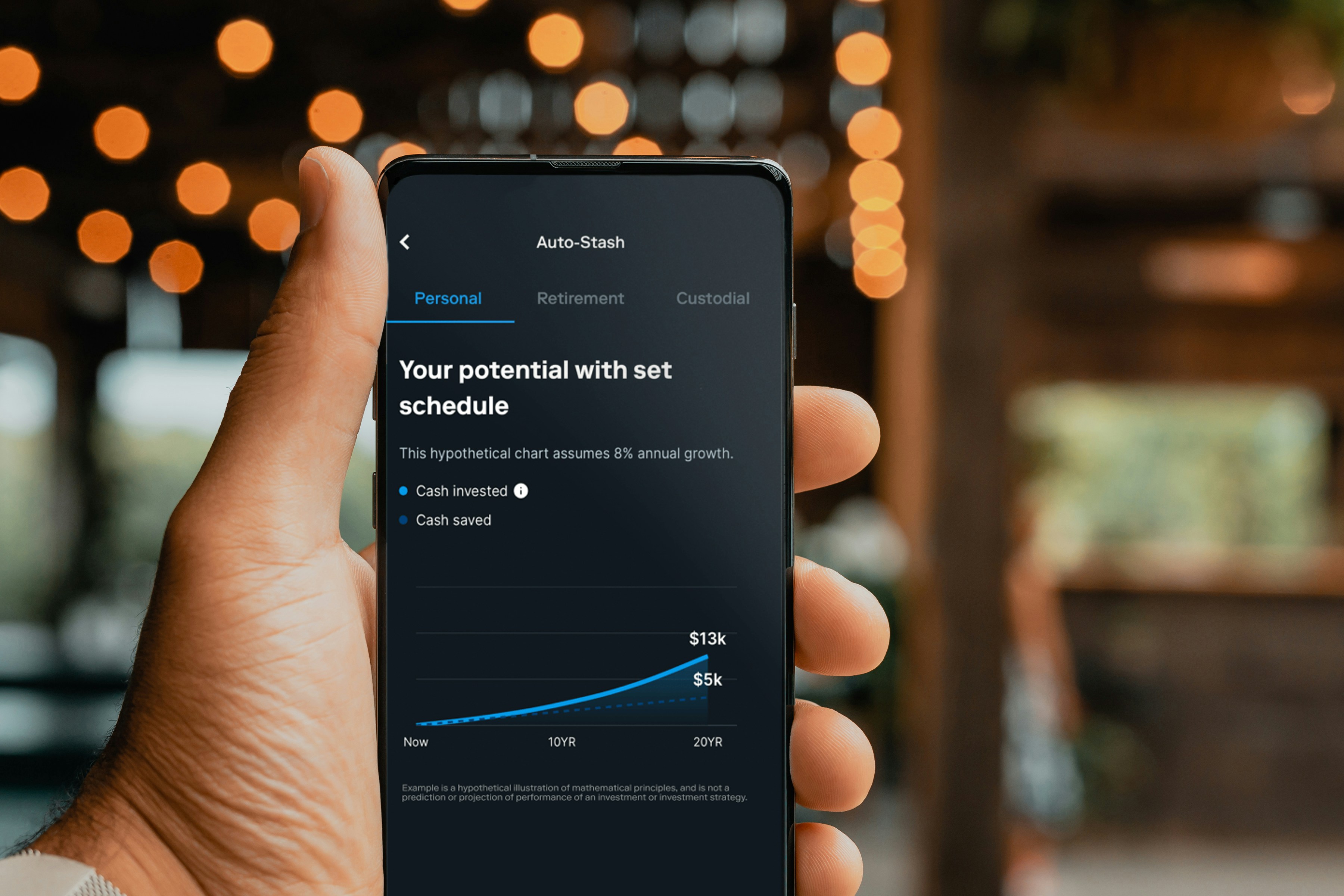
Successfully implementing the 50/30/20 rule requires not only understanding the principles but also having effective tools and strategies at your disposal. Firstly, consider utilizing budgeting apps, which are designed to simplify the budgeting process. Applications such as Mint, YNAB (You Need a Budget), and PocketGuard offer user-friendly interfaces that help track expenses in real-time and ensure adherence to the 50/30/20 guideline. These tools often come with features like bill reminders and financial goal tracking, making it easier to stay on course.
In addition to mobile applications, creating a budget worksheet can be a beneficial exercise. A simple spreadsheet or even pen-and-paper budgeting can help you visualize your income and expenditures. By dividing your monthly income into the prescribed categories – needs, wants, and savings – you can easily monitor your progress. It’s crucial to tally your total expenses and reflect on them regularly to ensure you do not deviate from your financial goals.
Setting specific financial goals is another essential aspect of effective budgeting. Whether it’s saving for a vacation, a new car, or contributing to retirement funds, having clear objectives gives you motivation and purpose while budget tracking. Moreover, incorporate regular reviews of your budget to make necessary adjustments as your financial situation evolves. Life circumstances, such as changes in income or unexpected expenses, might require you to reassess your allocations.
Flexibility is vital in successful budgeting; it’s important to keep in mind that budgets are not set in stone. Many individuals have experienced success by adjusting their budgets according to their life changes and maintaining open-mindedness towards their financial journey. Engaging stories from other budgeters can serve as inspiration, encouraging you to remain steadfast in your commitment to mastering the 50/30/20 rule. Through consistent practice and the right tools, you can achieve your financial objectives effectively.