
AI in TV Writing was a non-existing concept long before. In the early 2020s, the idea of an AI writing a prestige TV drama was a punchline. The scripts were clunky, the dialogue was robotic, and the “logic” was non-existent. But by 2026, the punchline has turned into a billion-dollar industry.
As you sit down to watch the latest hit procedural or reality show on your favorite streaming platform, there is a 40% chance that the “Writer” listed in the credits is actually a sophisticated Large Language Model (LLM) fine-tuned on decades of television history.
The AI in TV writing debate has moved from the picket lines of Hollywood to the living rooms of viewers. We are now entering the era of algorithmic storytelling, where shows are no longer “authored”—they are “optimized.”
The Rise of the “Synthetic Script” – AI in TV writing
In 2026, streaming giants are using generative AI scripts to handle “formulaic” television. This includes long-running sitcoms, medical dramas, and crime procedurals.
- The Training Data: These AI models have ingested every episode of Law & Order, Grey’s Anatomy, and Friends. They understand exactly when to insert a “cliffhanger” and how to structure a “B-plot” to maximize viewer retention.
- Speed and Cost: An AI can produce a full, 45-minute teleplay in roughly 30 seconds. For a streaming service trying to populate a global library, the cost-to-content ratio is unbeatable.
Personalized TV: The “Choose Your Own Adventure” Evolution
The most radical trend of 2026 isn’t just AI writing a show for everyone; it’s AI writing a show just for you.
We are seeing the birth of “Dynamic Episodes.” Using your viewing history and preferences, the streaming service’s AI can tweak the dialogue or the ending of an episode in real-time. If you prefer romance, the AI elevates the sub-plot between the leads. If you prefer action, the AI generates an extra chase sequence. This future of streaming 2026 turns the audience from passive observers into the ultimate “Executive Producers.”
AI vs. Human Screenwriters: The Battle for “Soul”
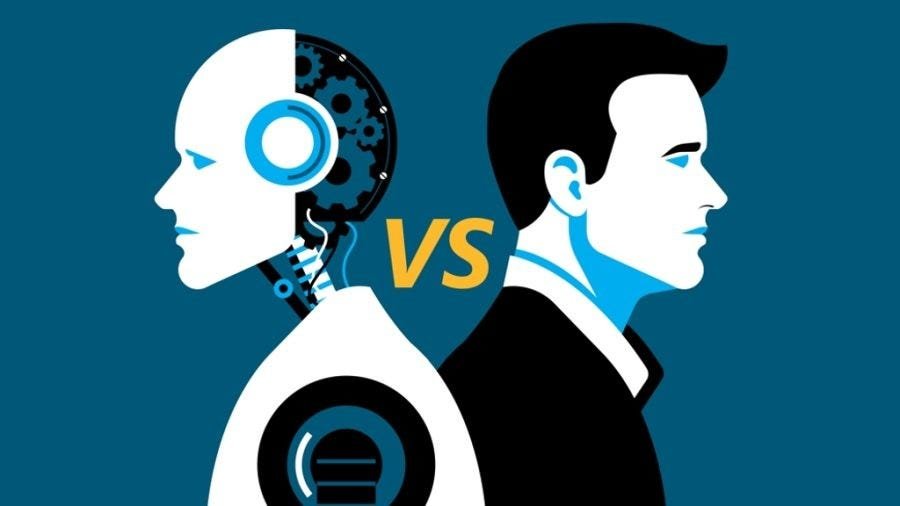
The core of the debate is whether a machine can truly replicate the human experience.
- The Pro-AI Stance: Studios argue that AI is merely a tool that handles the “boring” parts of writing (formatting, structure, and pacing), allowing human “Show runners” to focus on high-level creative vision.
- The Pro-Human Stance: Writers argue that AI is a “stochastic parrot.” It can only remix what has already been done. It cannot experience grief, joy, or heartbreak—therefore, it cannot write about them with true resonance. The end of the writers’ room means the end of original, subversive, and truly “weird” television.
The Hybrid Model: Human-in-the-Loop
In 2026, the most successful shows are using a “Hybrid” approach. A human head writer provides the “soul” and the “thematic core,” while an AI “Co-Pilot” handles the dialogue variations and structural checks. This allows for the efficiency of technology without losing the spark of human creativity.
Conclusion – AI in TV writing
As we watch the TV landscape of 2026, the line between human and machine creativity is blurring. AI in TV writing is here to stay, but its success will ultimately depend on us—the viewers. Will we settle for perfectly optimised, algorithmic content, or will we continue to crave the messy, unpredictable genius of the human mind?